
CHECK VALVE
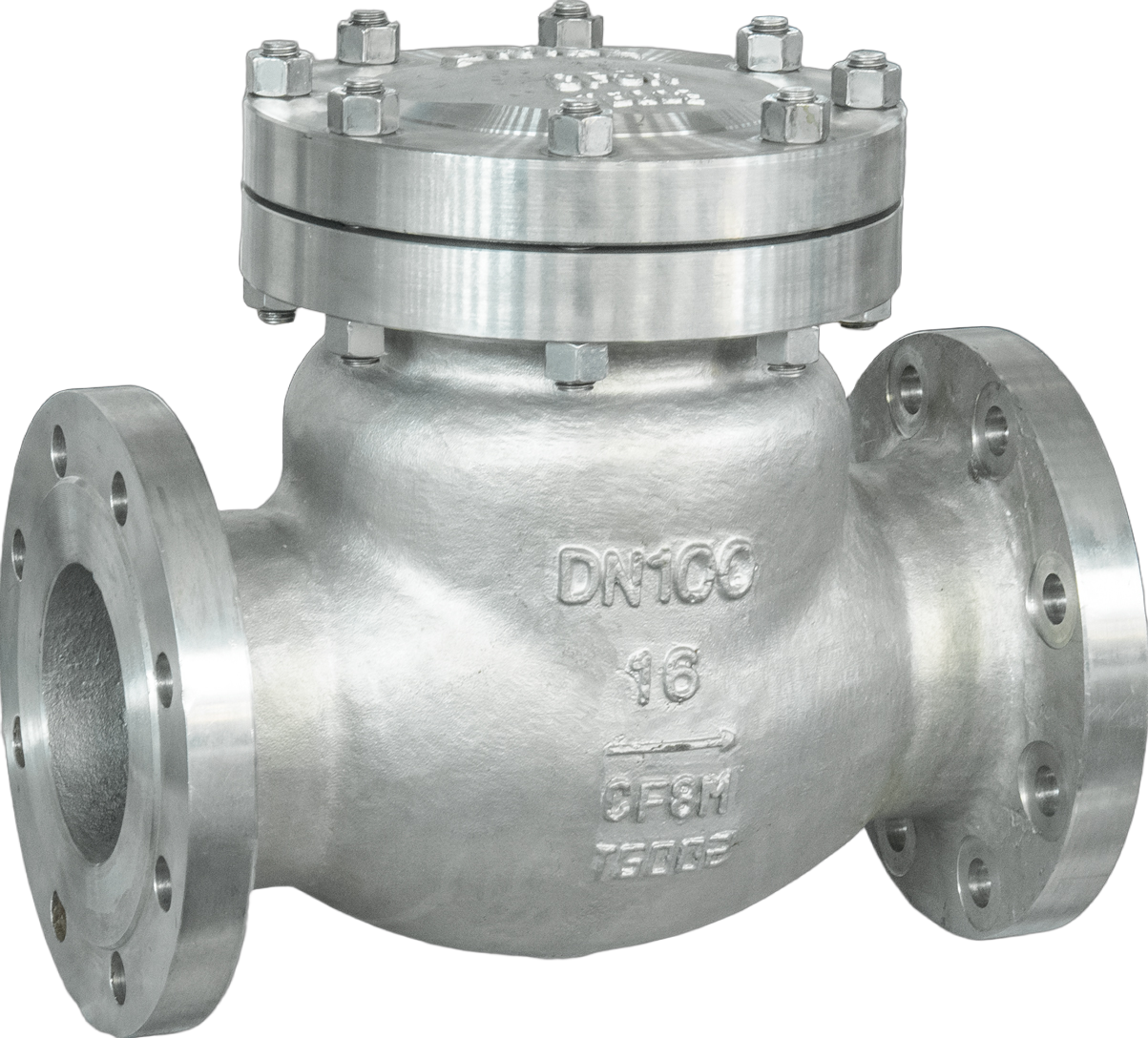
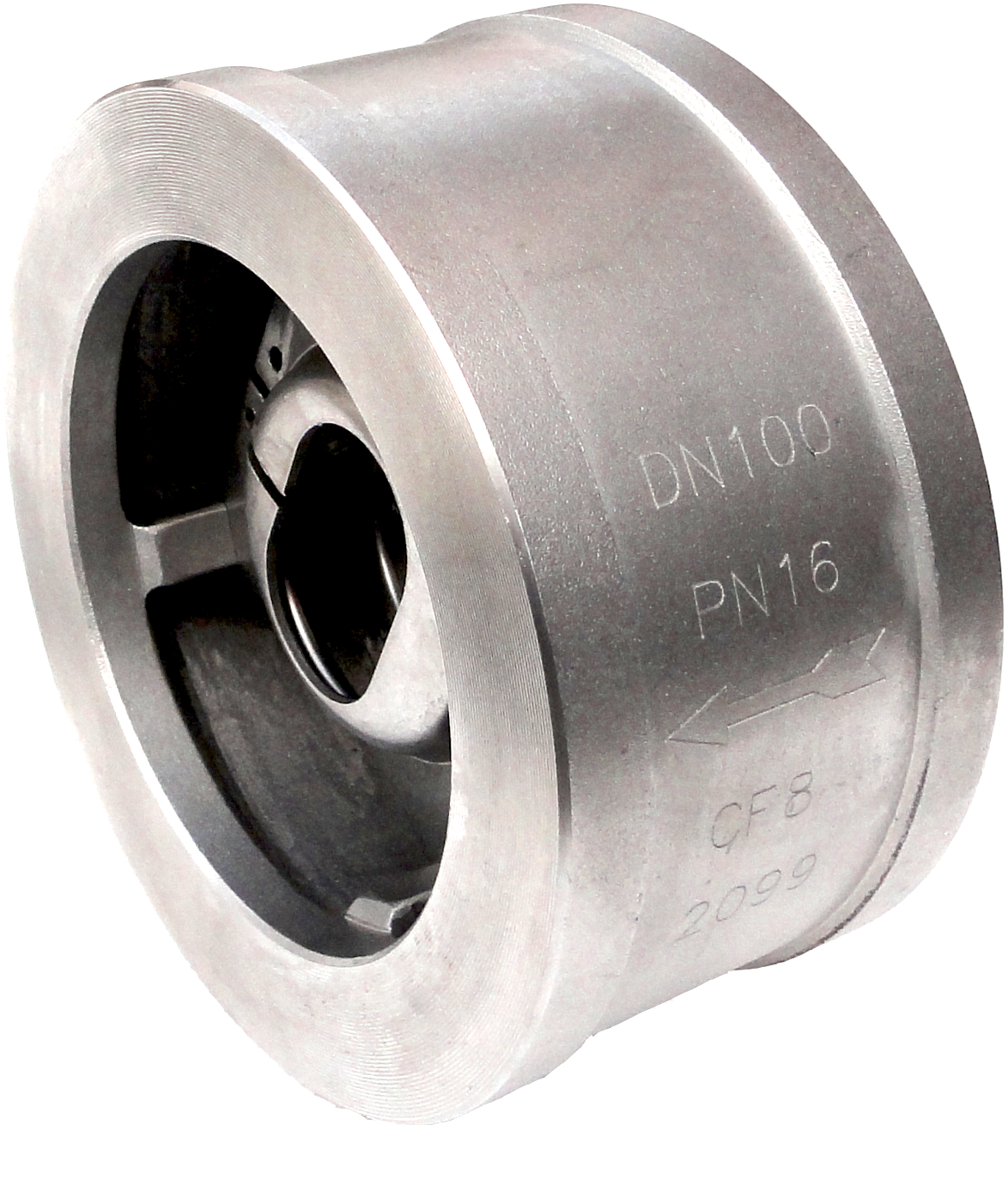
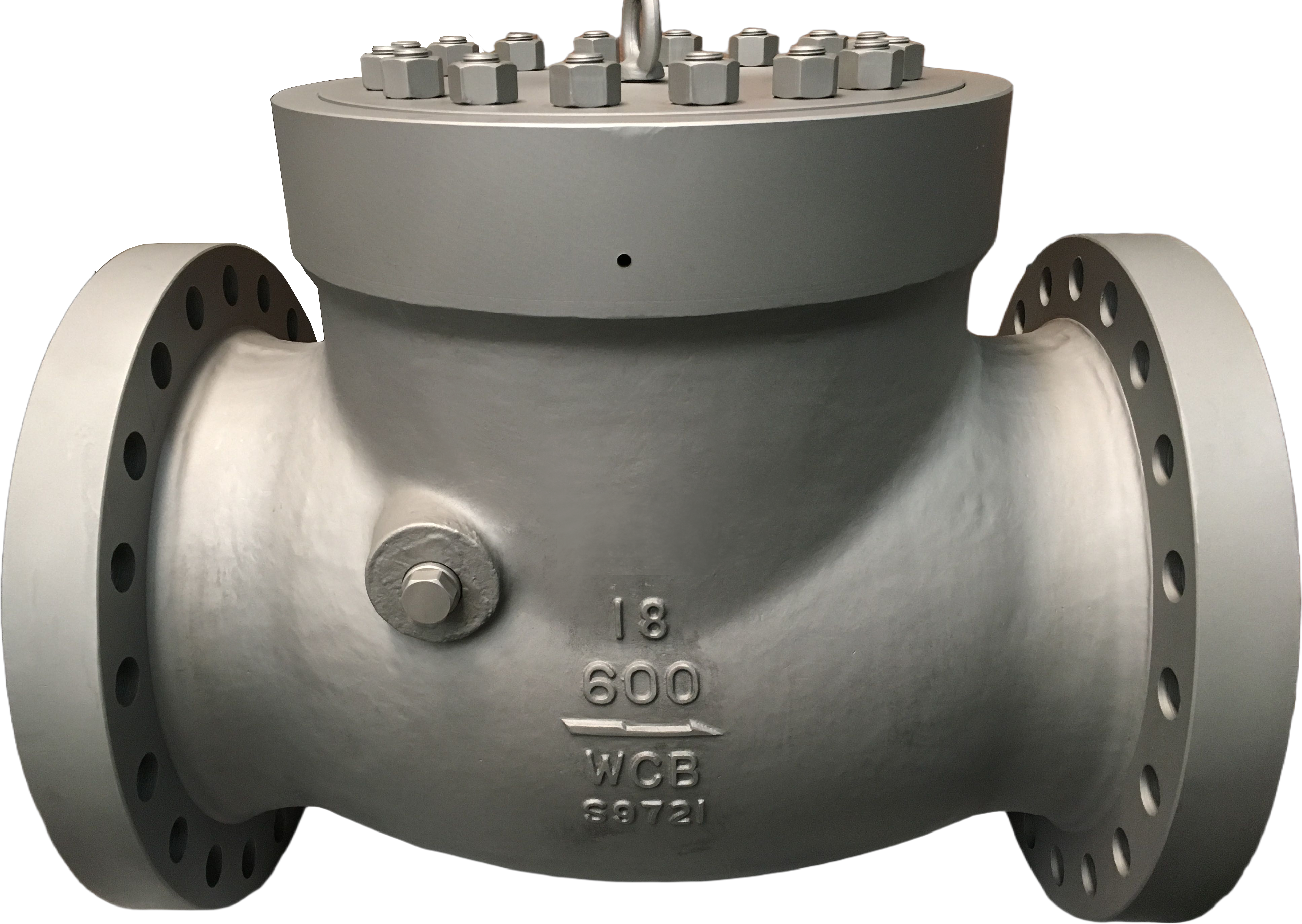
Unidirectional Flow Control: The Engineering Logic of Check Valves
A Check Valve, or Non-Return Valve (NRV), serves as a critical autonomous component designed to enforce unidirectional flow within complex piping architectures. The valve's operation is dictated by fluid dynamics: forward kinetic energy maintains the open position, while any cessation of flow or emergence of backpressure—augmented by gravitational force or spring-loaded mechanisms—actuates an instantaneous, leak-tight closure. By neutralizing the risk of flow reversal, these valves are fundamental to maintaining system pressure stability and safeguarding high-value upstream assets.
Essential Applications for Check Valves
Check valves serve as critical safeguards across various piping infrastructures, ensuring unidirectional flow and protecting high-value equipment. Key applications include:
Oil & Gas Infrastructure: Safeguards compressors from backpressure and prevents unwanted depressurization or line packing within midstream and upstream pipelines.
Chemical & Process Engineering: Vital for maintaining purity in pharmaceutical and petrochemical lines by preventing cross-contamination and the hazardous mixing of reagents.
Water Management & Treatment: Eliminates the risk of treated water returning to raw sources and manages flow direction during critical filter backwash cycles.
Power Generation: Integrated into steam and cooling loops to protect turbines and maintain consistent flow paths in thermal and nuclear plants.
Boiler Feed Systems: Acts as a thermal barrier, preventing high-temperature steam or water from surging back into cold supply lines when pumps are inactive.
Pump Discharge Protection: Positioned at the pump outlet to stop reverse flow upon shutdown, preventing mechanical damage, reverse rotation, and loss of prime.